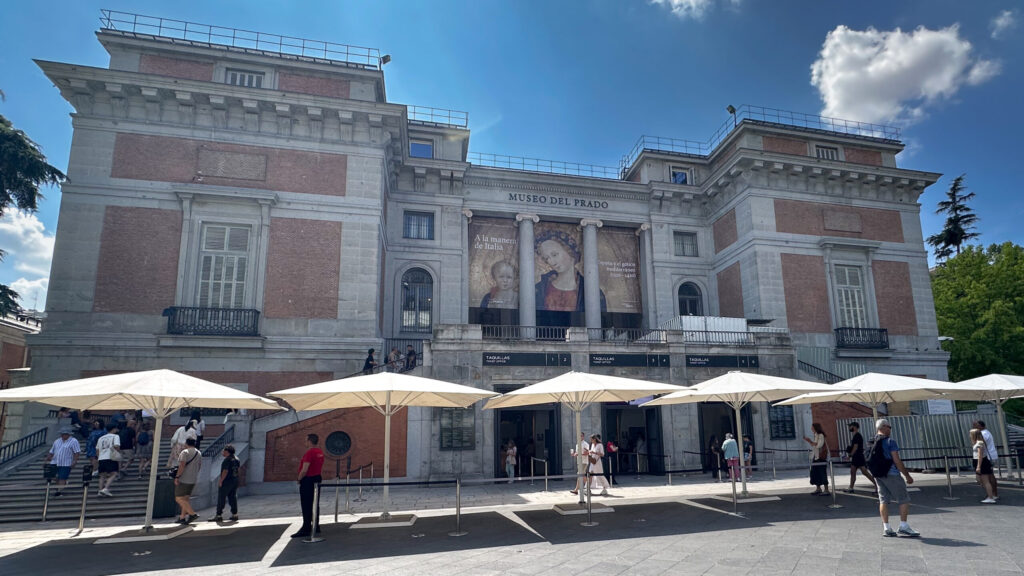
Located in the Retiro district of Madrid, the Museo Nacional del Prado is a peer museum to the Musée du Louvre in Paris. Peers yes, but they have very different styles of art collections with the Prado’s being a pinacoteca collection by the Spanish monarchs while the Louvre’s collection is much more massive covering many years of human history. The Prado collection also goes no further than the 19th century so if you are looking for a Picasso, this is not the place. Alas pictures are not allowed inside which may be a good thing, I would have had to choose from thousands of photos…
I have been rather curious about this museum for quite a while due to it being home to Francisco Goya‘s Black Paintings which show his darker views on humanity. The museum also has Goya’s The Colossus and The Executions , both of which left a large impression on my young self. I was surprised to learn at the museum that Goya lived from 1746 to 1828, the paintings I knew of his always seemed more contemporary to me. The museum also had other works of his, portraits of the Spanish Royal Family and more everyday scenes and these were nice to see.
Since the collection ends in the 19th century and is mostly from the Spanish Royal Family there is a heavy emphasis on religious art. There was some unique pieces including Hieronymus Bosch‘s Garden of Earthly Delights Triptych however there is only so many religious scenes one can look at. At least to me. How many times can you see St. Sebastian being martyred? Five or six times in the Prado. We were glad when we got to Social Painting galleries where we saw works from Joaquín Sorolla, Luis Jiménez Aranda and Vicente Cutanda y Toraya, painters we had never heard of. Overall a great visit and we even considered coming back for a second visit on one of our free days later in our Madrid stay so that tells you what we thought.
After the museum it was time for another tapas tour, this time with Montse of Devour Tours. Montes is originally from San Francisco and came to Europe “chasing love” she said. The relationship did not last but her love of living here did, her Dad is Spanish and was happy she took up residency here. This tour was with a group of 12 from all over including Boston, Vancouver B.C., Houston (Hi Tracey!) and one of our favorites NYC (Hi Mike and Eva!). A good crowd to tour around with.
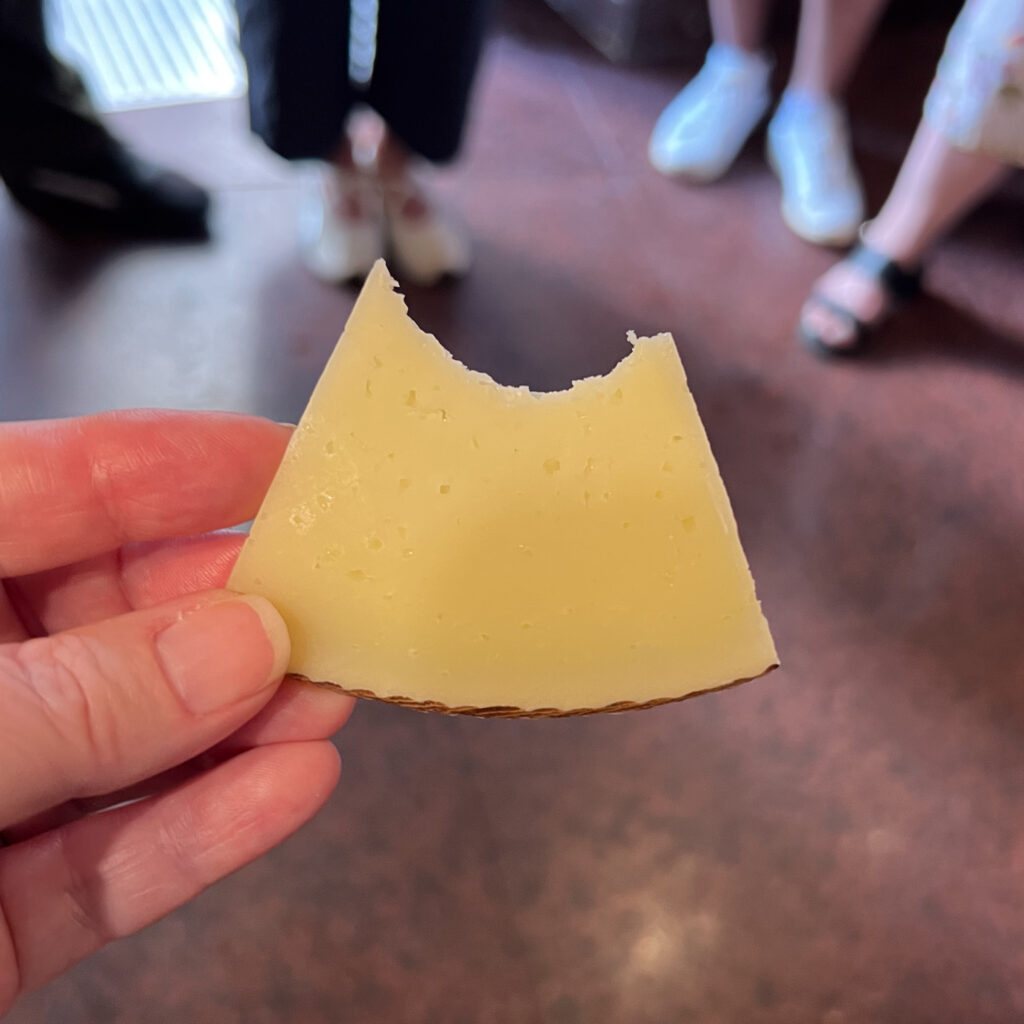
Our first stop was at Casa Labra for some bacalao (traditional fried salt cod), cheese and Vermut. Founded in 1860, Casa Labra is a famous historic tavern in Madrid, it is celebrated as the clandestine birthplace of the Spanish Socialist Workers’ Party (PSOE) which has led the Spanish government for the majority of Spain’s democratic period. Say you want a revolution? Start with a good meal first!


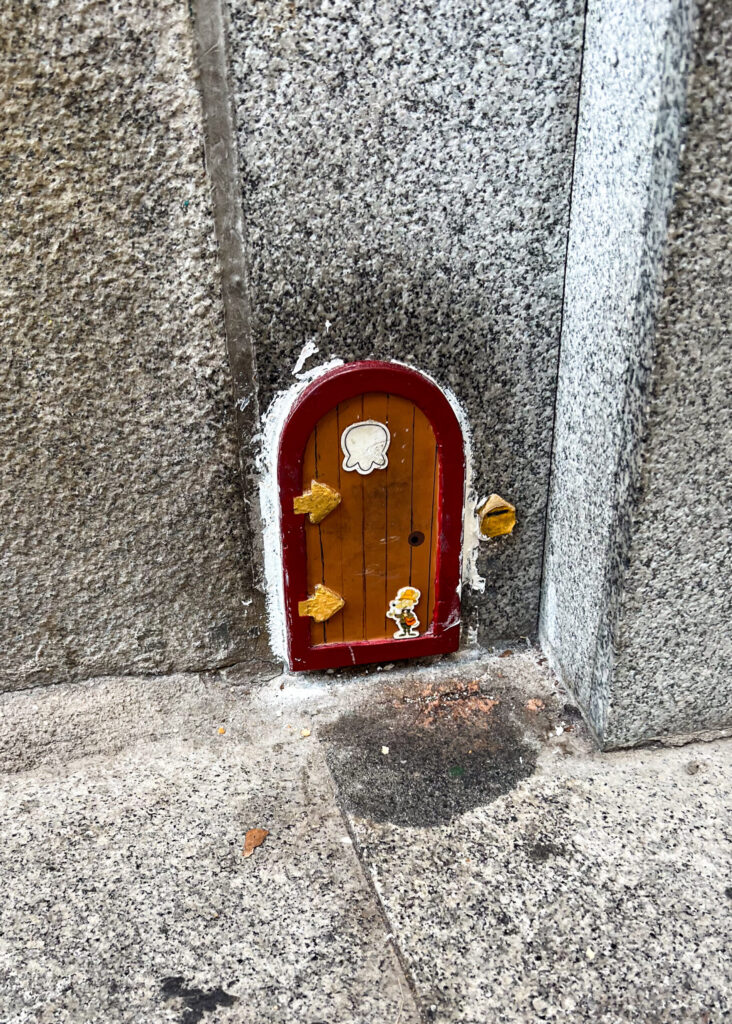
El Escarpín was the second stop on the tour. While heading to the restaurant we passed a statue, a small door and a museum dedicated to El Ratoncito Pérez or Ratón Pérez. This magical mouse in Spanish and Hispanic American folklore is who collects children’s fallen baby teeth and leaves a small coin or gift under the pillow. Did not know this tail, love it!
El Escarpín is a traditional Asturian cider house (sidrería) known for authentic northern Spanish comfort food. The waiters and waitresses make a show of pouring the cider over thir shoulders high above the cups. Takes skill to get it right. Here I learned about Spanish tortillas which is a potato and egg omelette in here vs its Mexican counterpart which is a thin flatbread made of corn or wheat. Still learning every day.



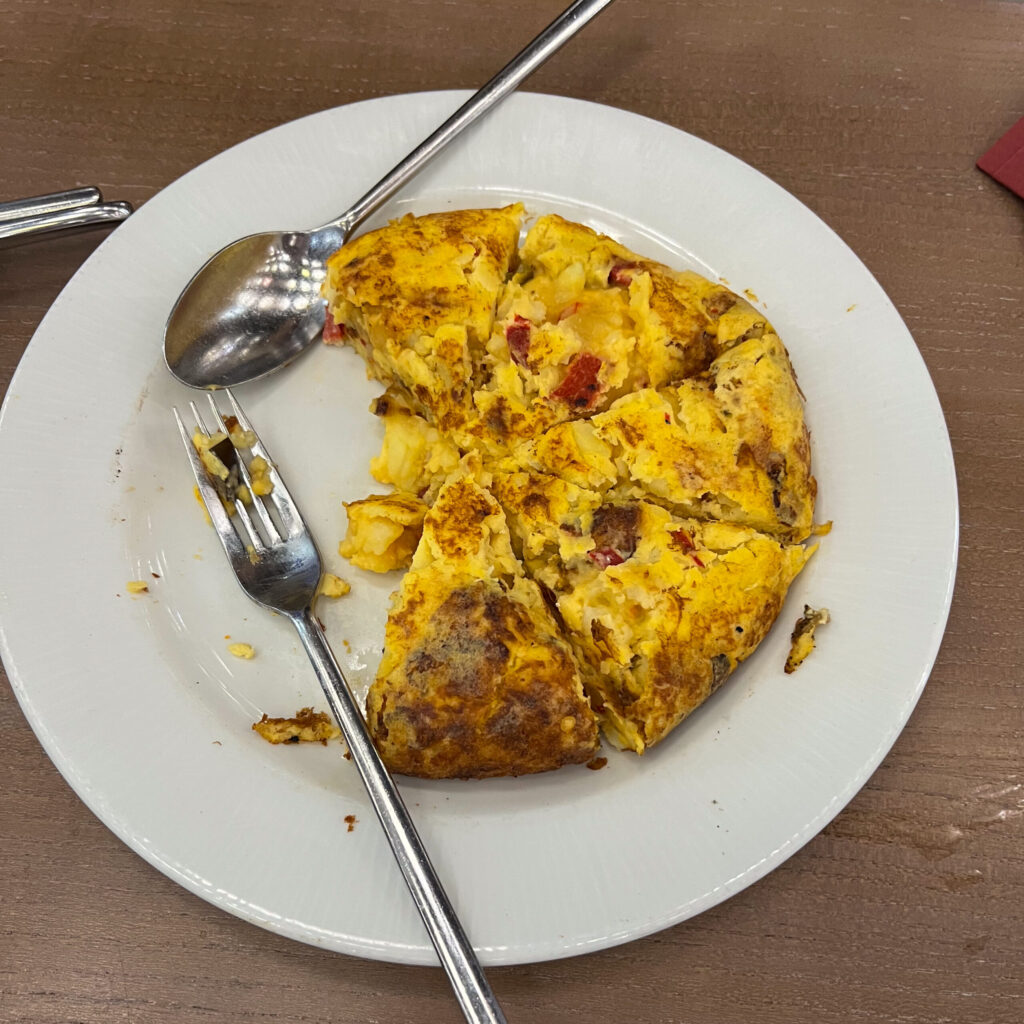
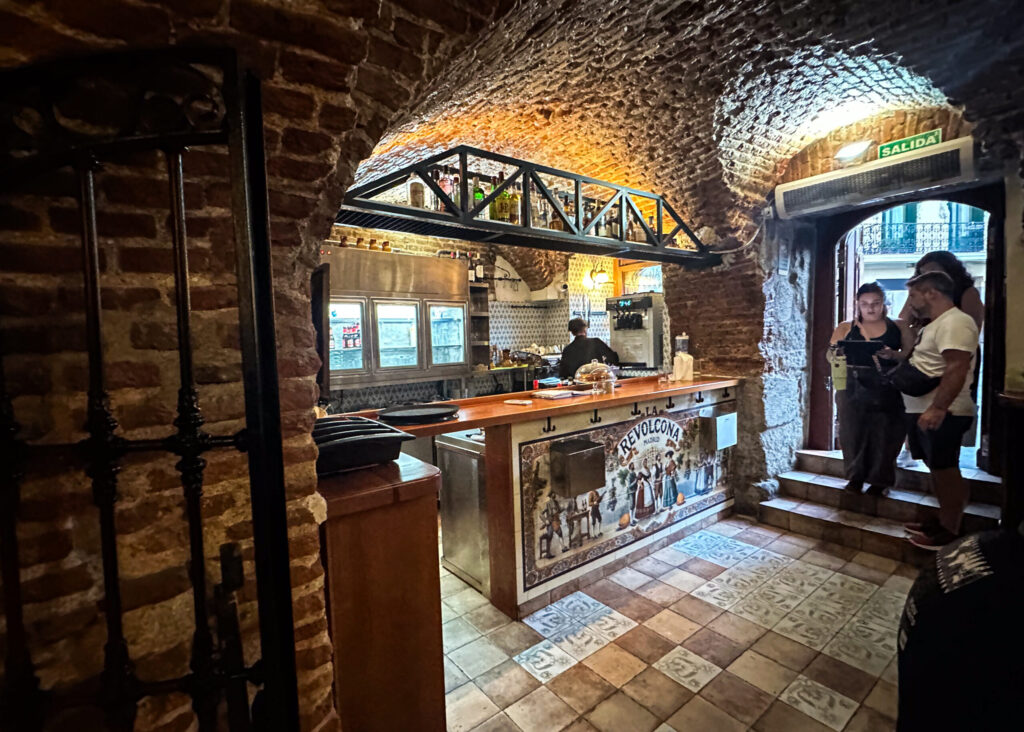
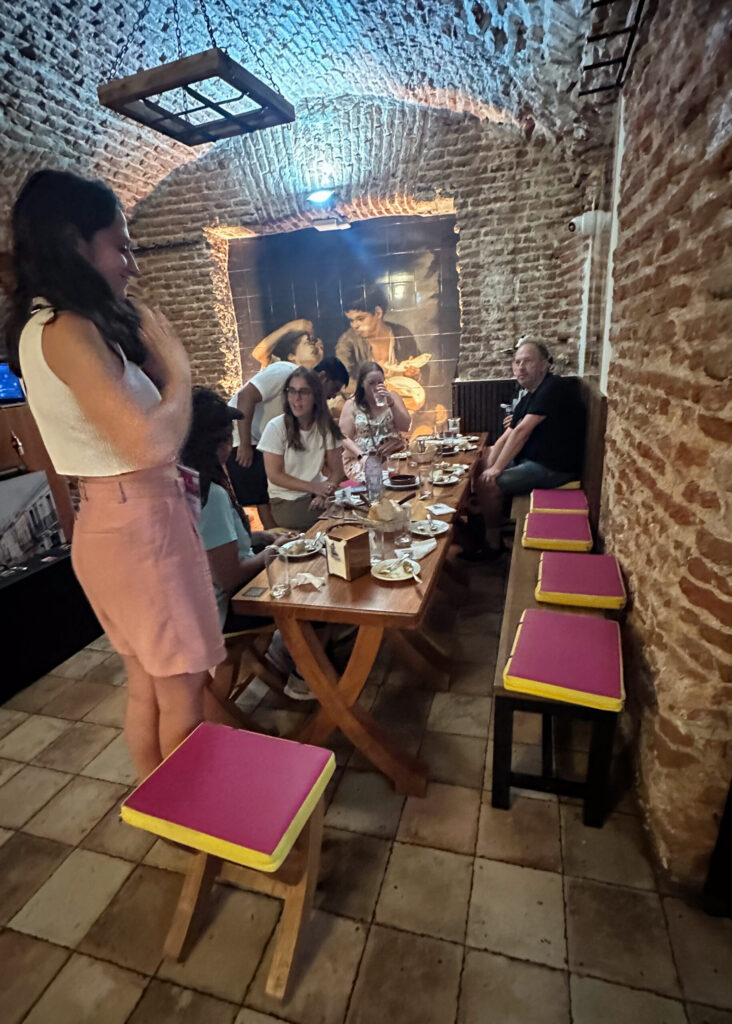
Our third stop was at Mesón La Revolcona a traditional-style tavern and tapas bar which specializes in classic castiza (traditional working class) and is known for its mashed patatas revolconas served with crispy pork torreznos. Very tasty!
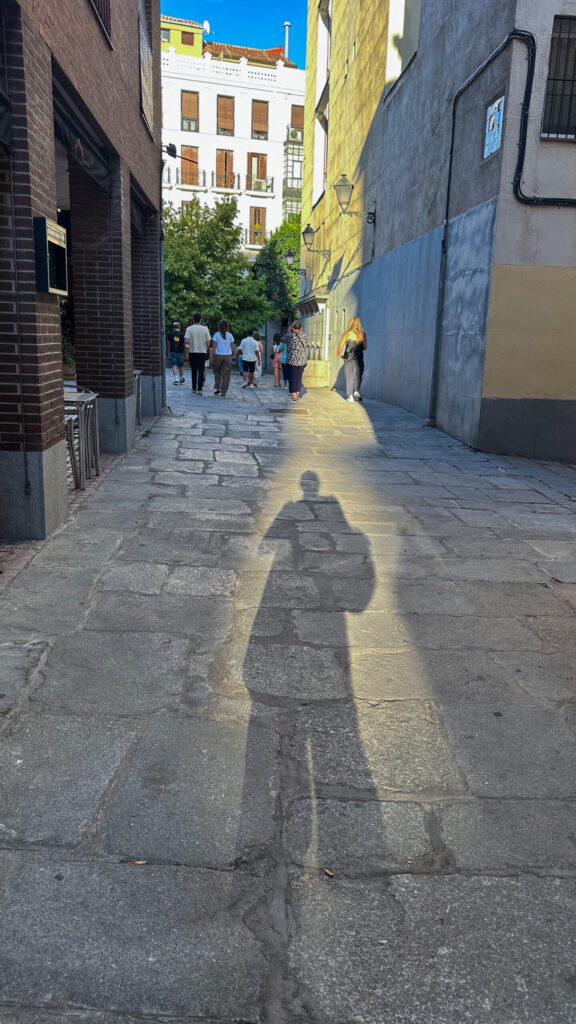


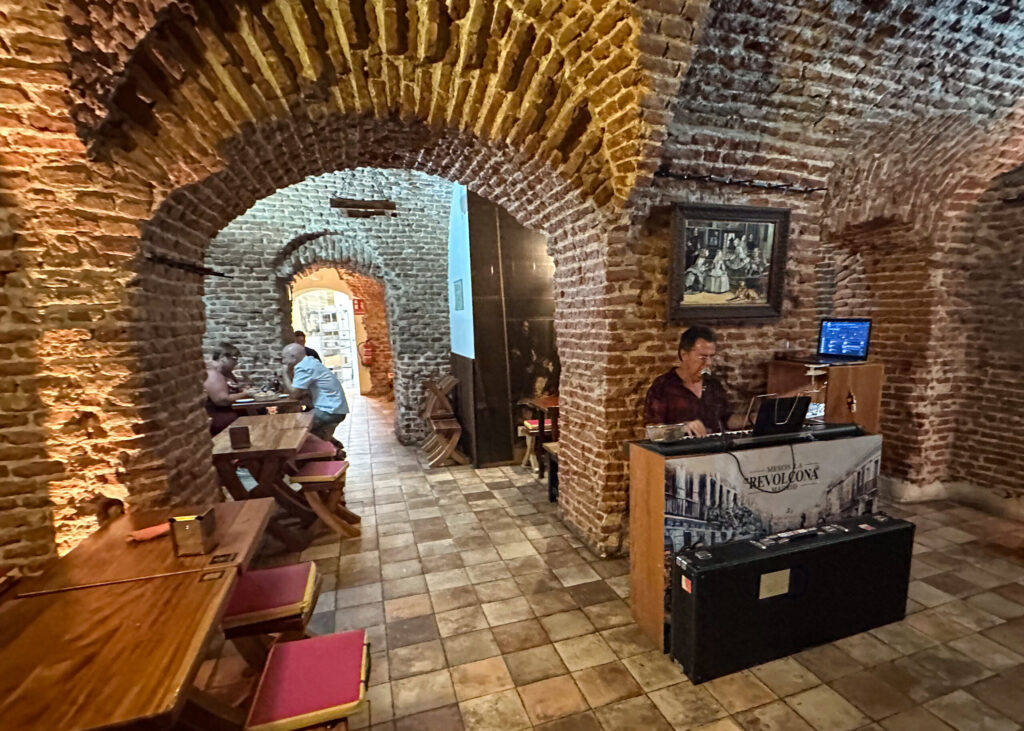
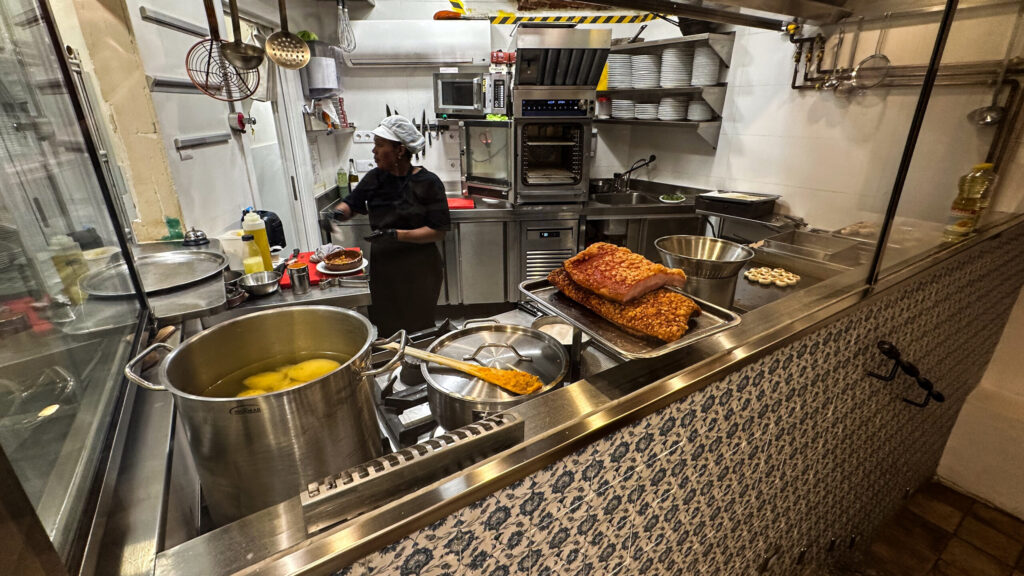
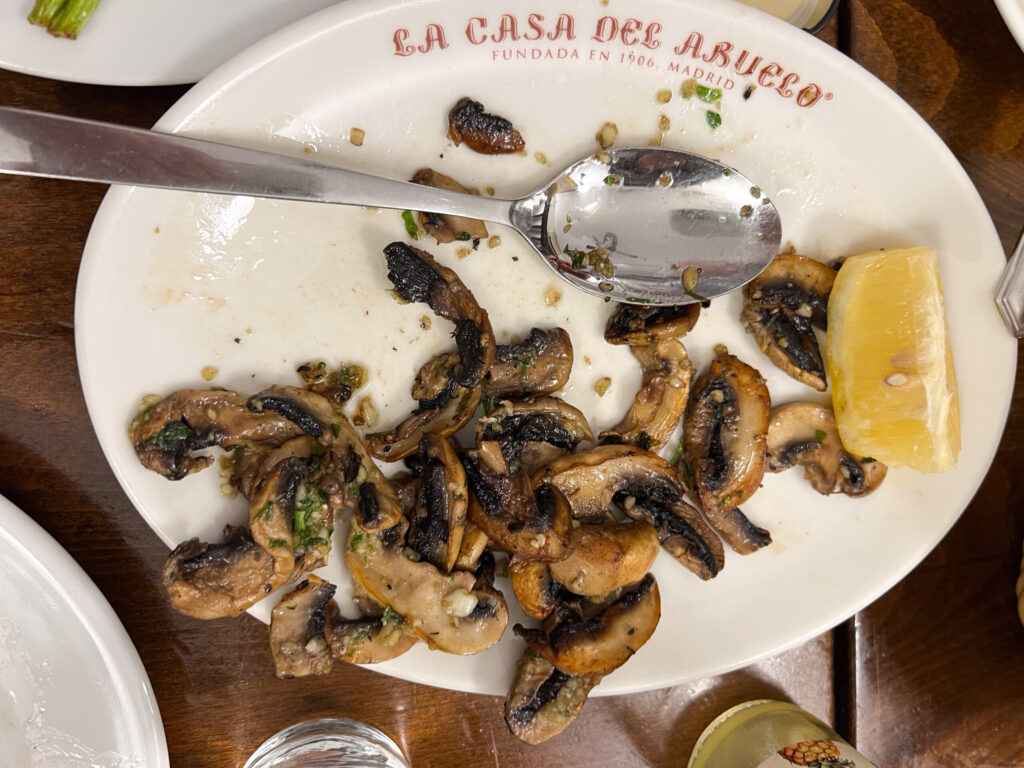
Our final stop was La Casa del Abuelo known for its Gambas al Ajillo (sizzling garlic prawns) and sweet house wine. Very tasty however by this stop we were pretty full. Kim loved the Gambas al Ajillo and was disappointed she did not have room for more. A full belly is a great way to end the evening.


Leave a Reply