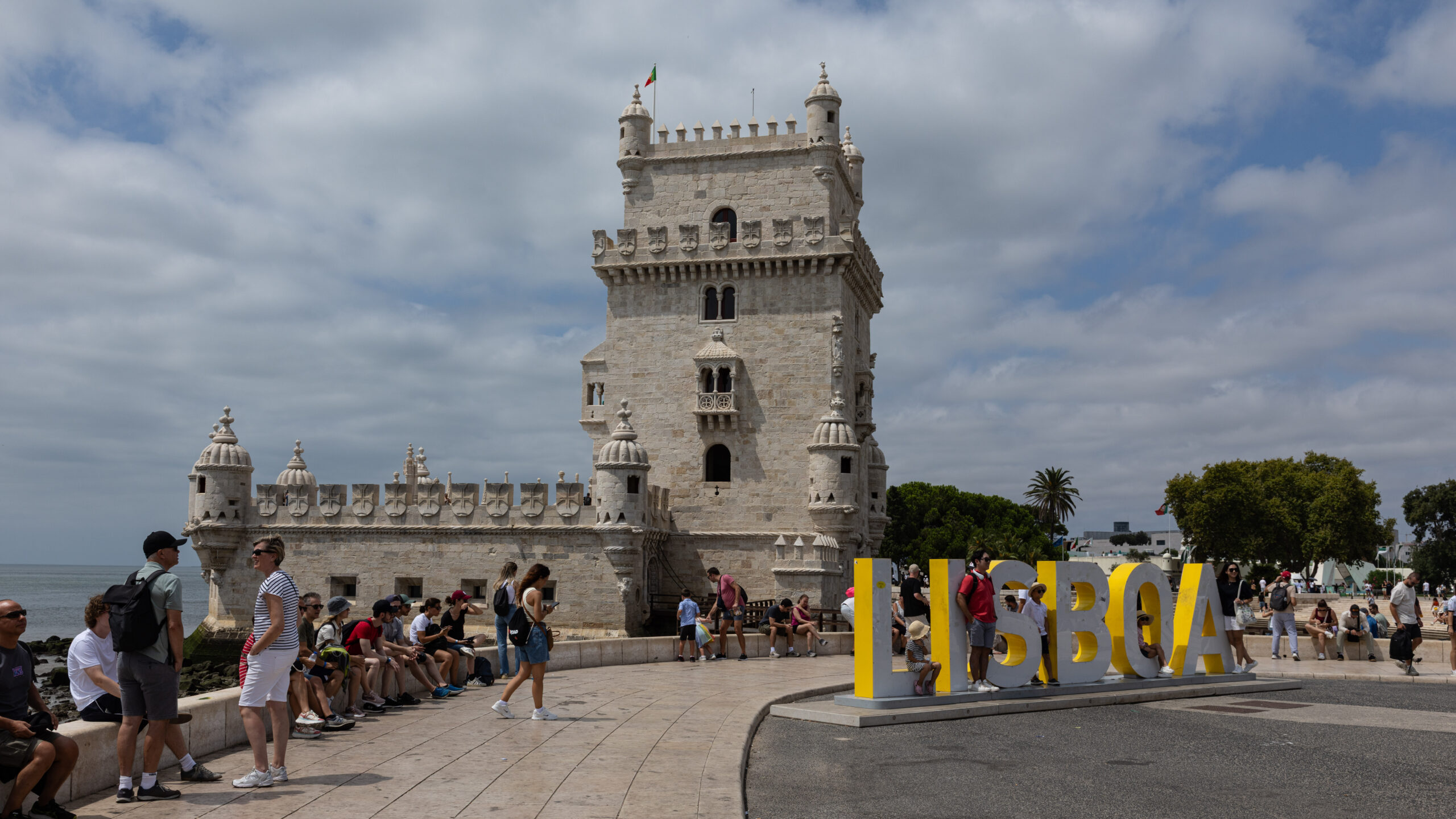
Portugal was a leader in exploring the world in the 15th and 16th centuries creating many ship types and technology necessary to explore the world. The Tagus River (Rio Tejo) is the longest river on the Iberian Peninsula running from eastern Spain through Portugal, emptying into the Atlantic Ocean at an estuary in Lisbon providing the city and country a large natural port. The shipyards and docks of the area were the launching point of many historic voyages famous explorers who left from this port include Vasco da Gama, Ferdinand Magellan and Prince Henry the Navigator. The harbor and much of Lisbon was destroyed in a large earthquake and tsunami in 1755 and the city was rebuilt in a (then) modern grid style. In modern times the waterfront has moved from strictly maritime and industrial to public oriented usage. Some of the historic buildings are still present including Belém Tower (officially the Tower of Saint Vincent) our first stop of the day. This 16th century fortification was a point of embarkation and disembarkation for Portuguese explorers and served as a ceremonial gateway to Lisbon. A proper place to start our visit.
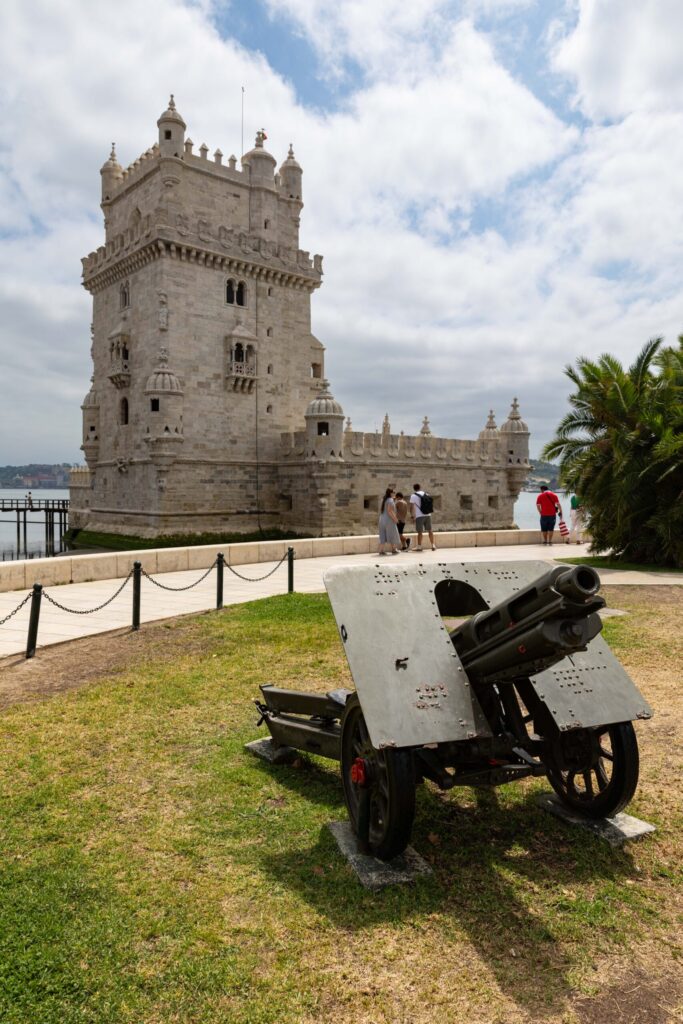
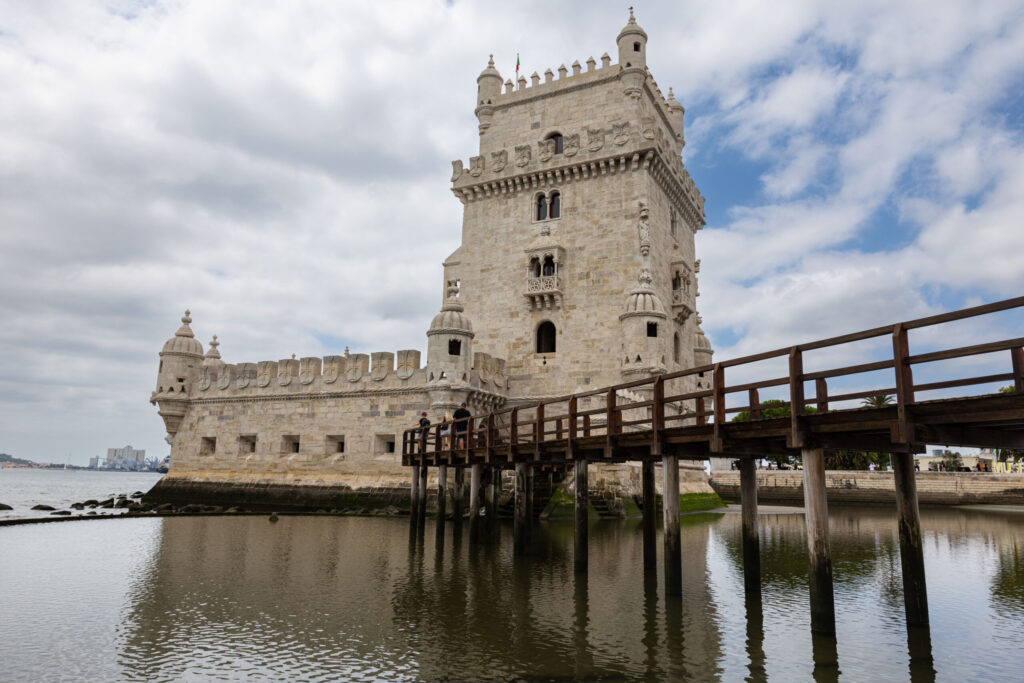


Being a Saturday the area was hopping but not too bad. Pickpockets were everywhere and some slightly pushy folks trying the “Friendship Bracelet” scam who I had to shoo away. One left us and started bugging some other tourists, I shooed her away again and was called something I did not quite understand, our rough guess was jackass. We were amused but did not linger in case she decided to be more aggressive.
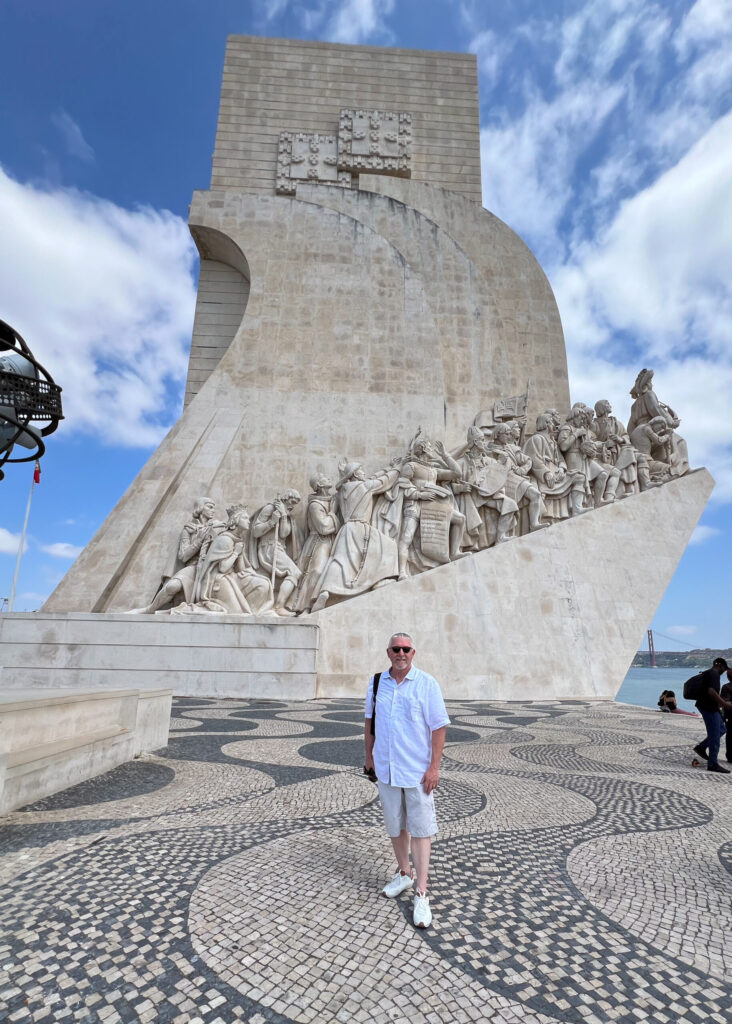
Located a nice walk down the harbor is The Monument of the Discoveries, a memorial celebrating Portugal’s age of exploration. The original monument was a temporary structure built at the end of the 1930s for the Portuguese World Exhibition, it was reconstructed in the 1960 to be permanent in time to commemoration the passing of 500 years since the death of Henry the Navigator. There are 33 statues on both sides of the monument memorializing the explorers and royalty that made that age of exploration possible.


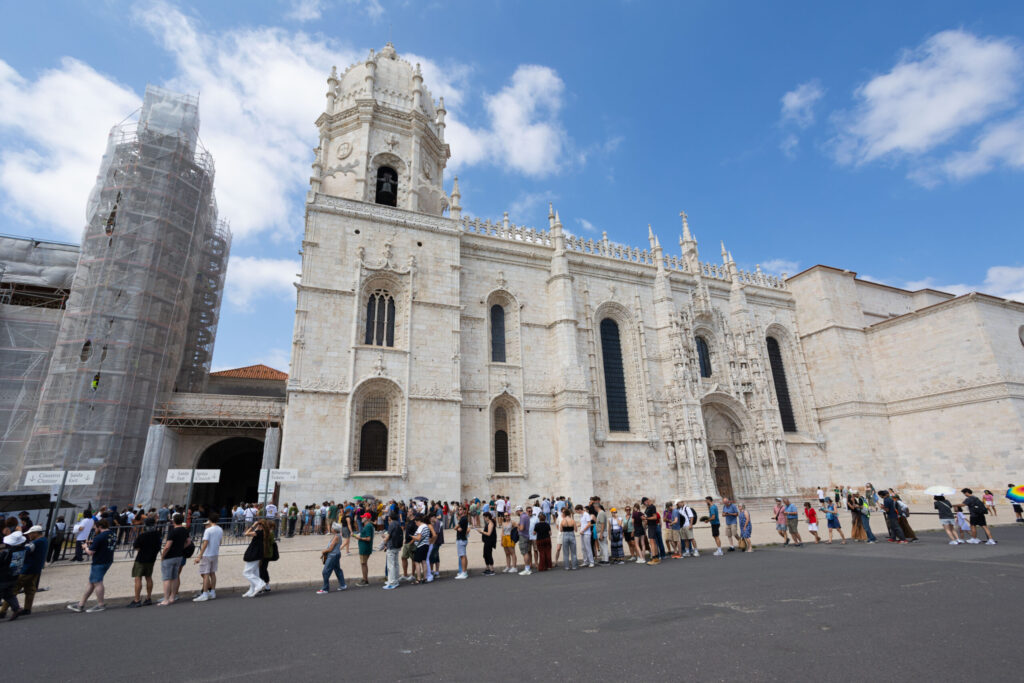
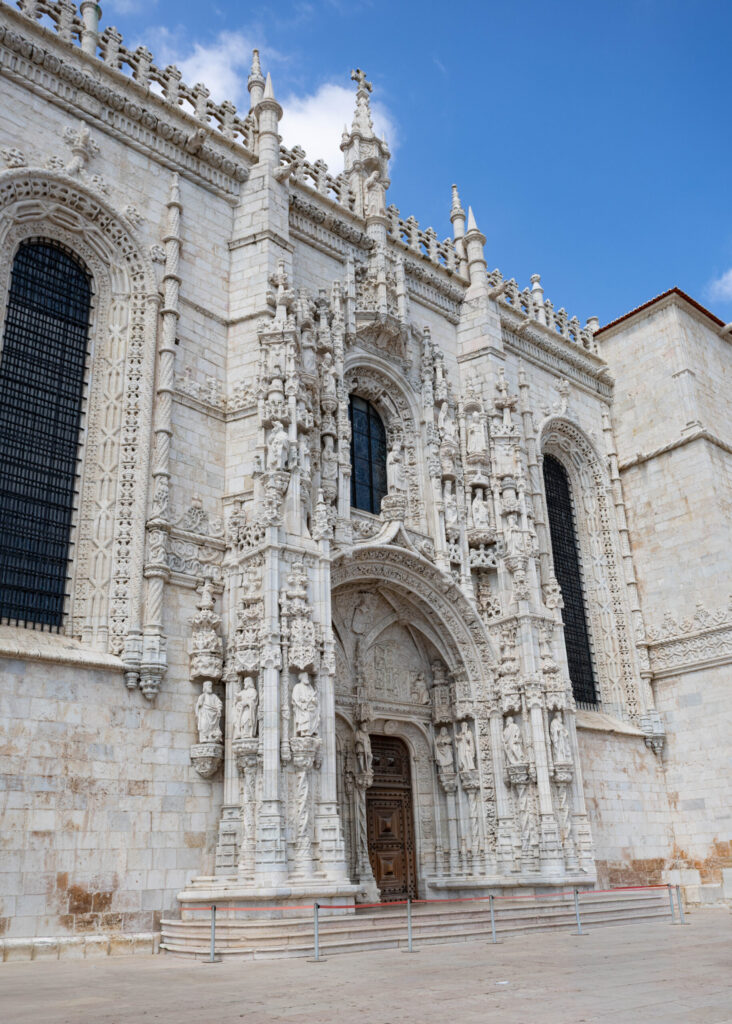
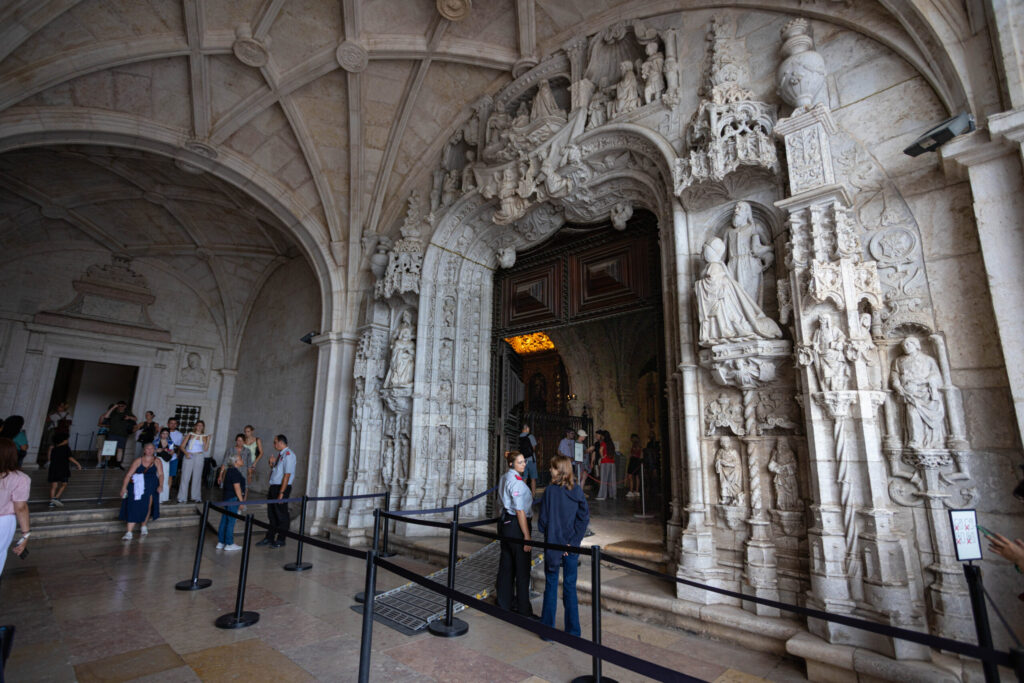
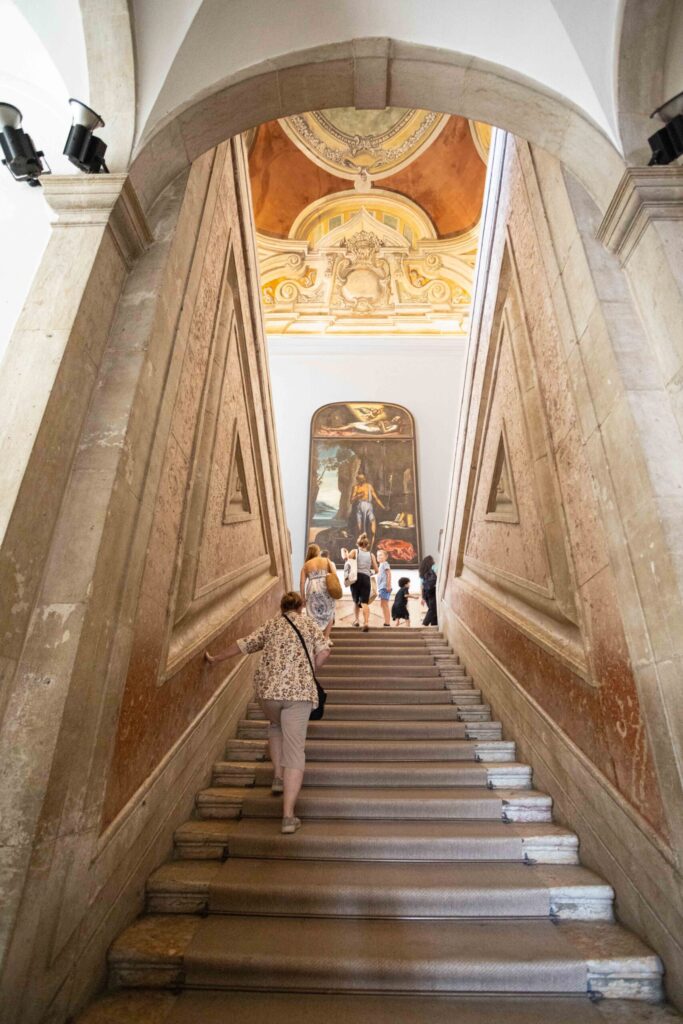
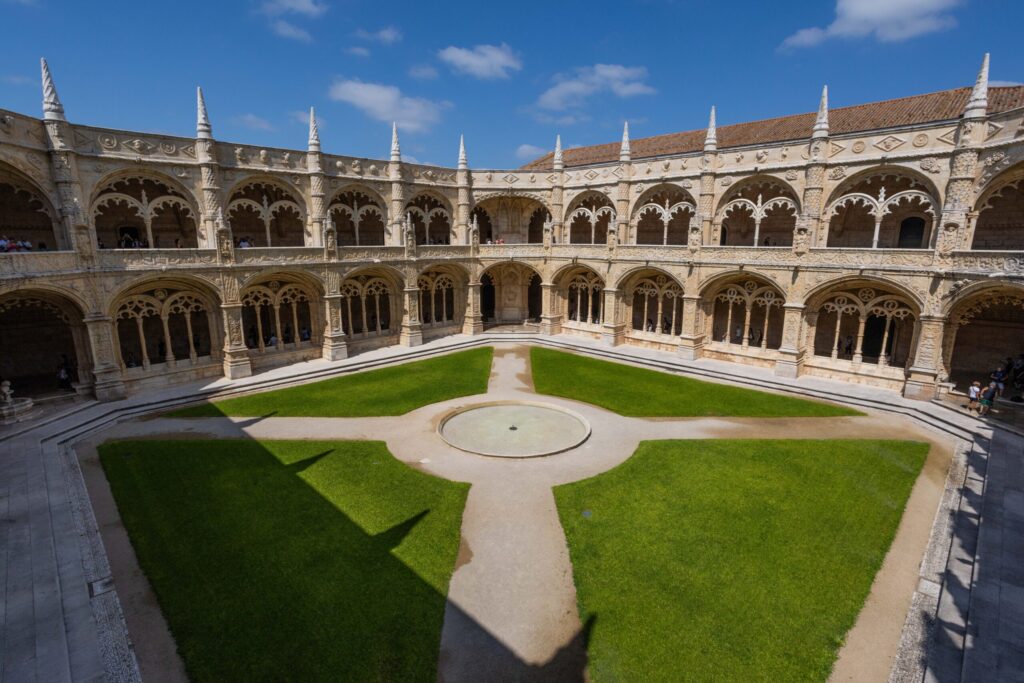
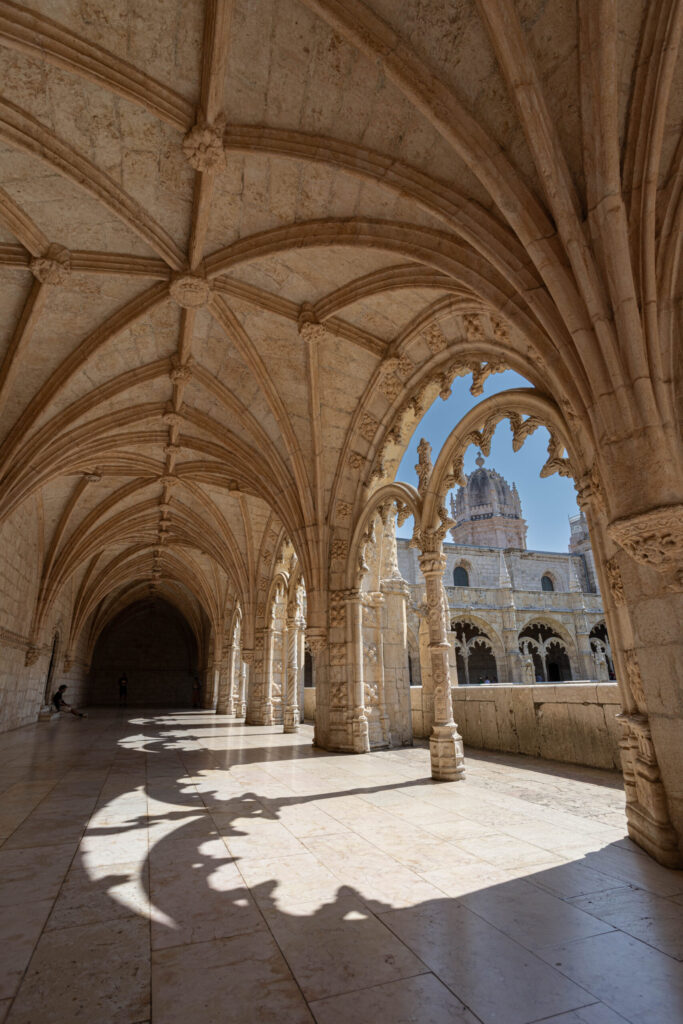
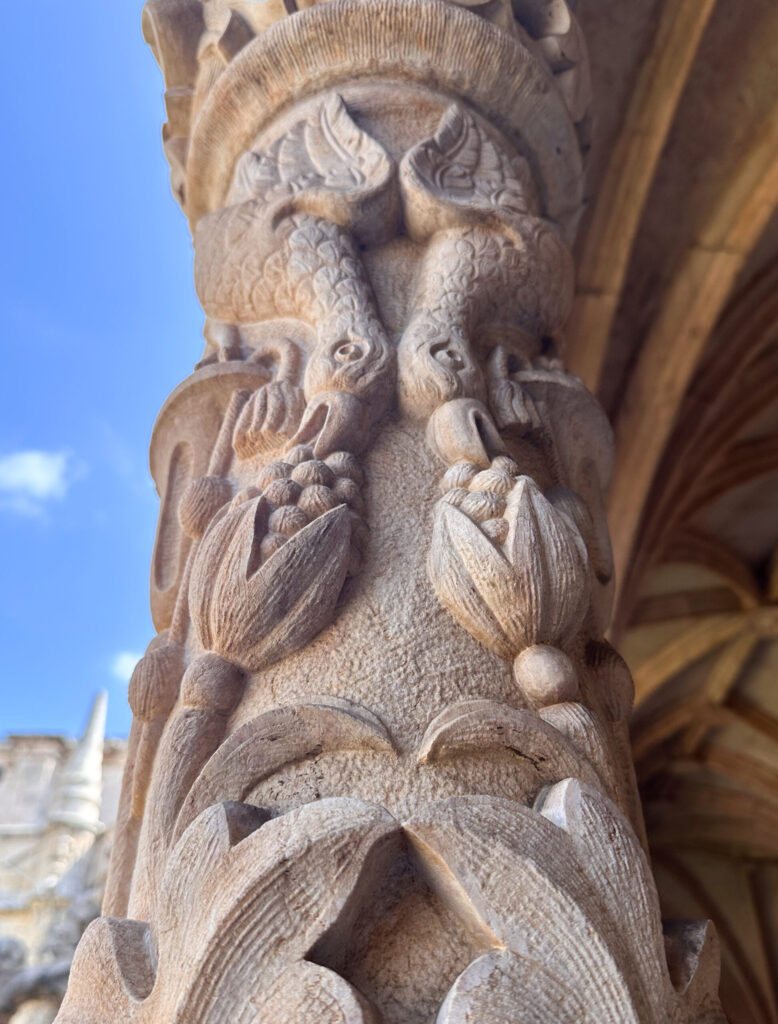
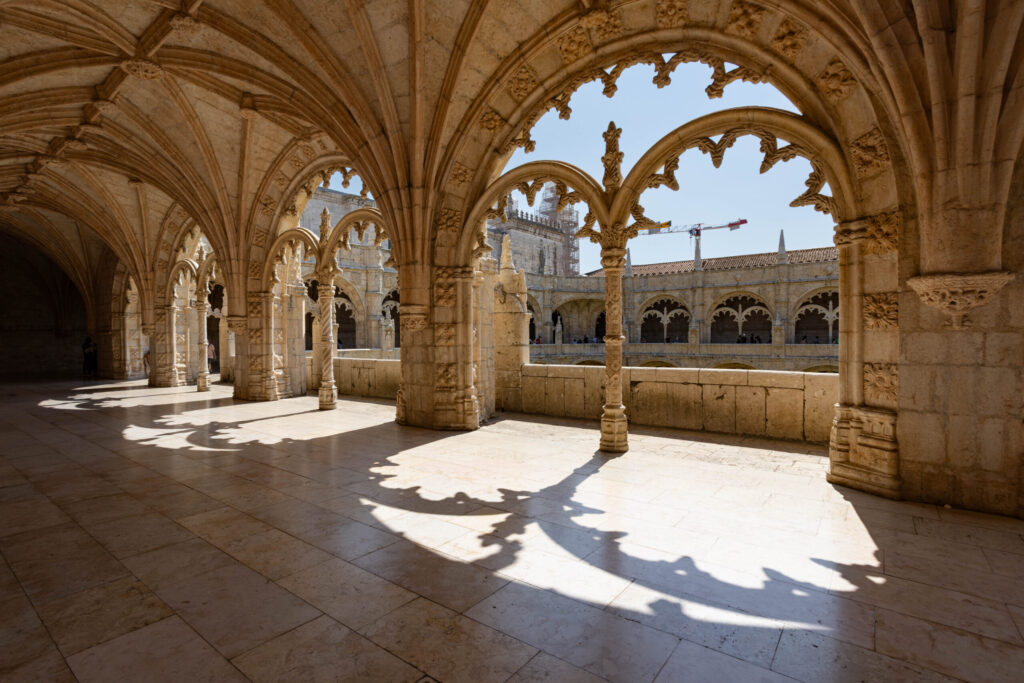
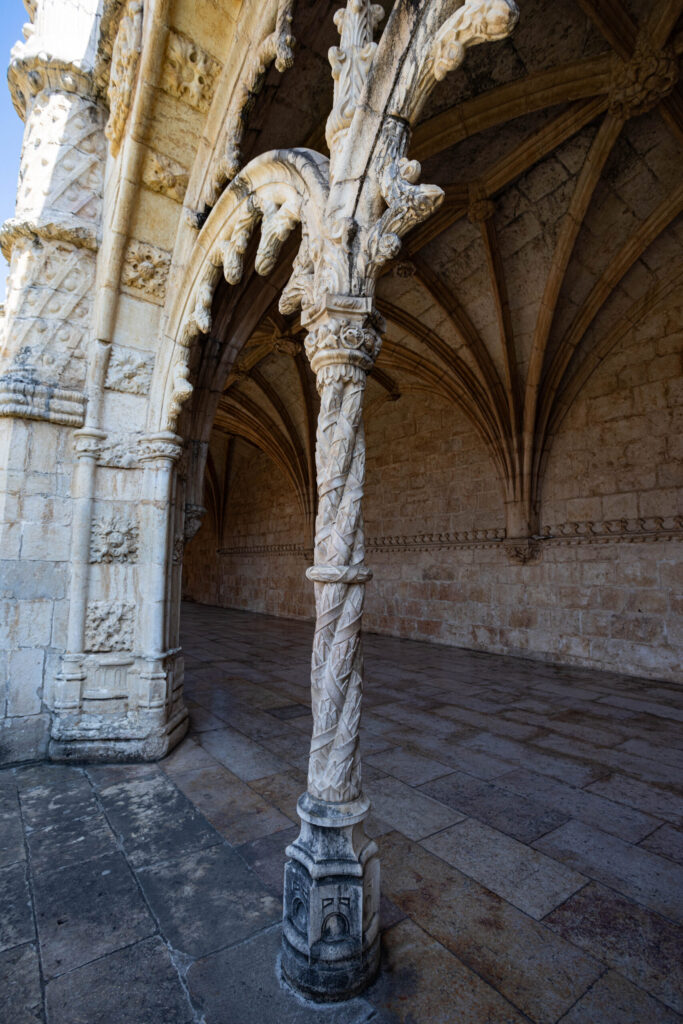
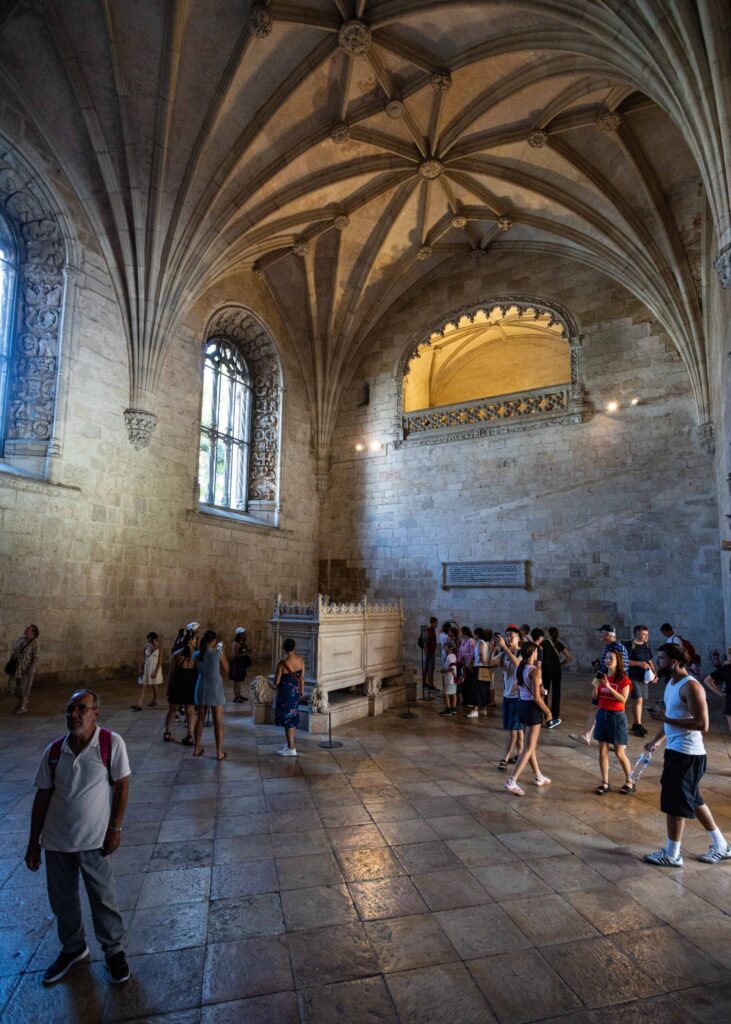
Nearby the harbor is Jerónimos Monastery, an example of Manueline architecture described as a lavish, uniquely Portuguese late-Gothic style architecture. Construction of the monastery and associated church started in 1501 and lasted 100 years funded by taxes on commerce from Africa and the Orient. The monastery withstood the 1755 earthquake without much damage and was secularized by the government in 1833.




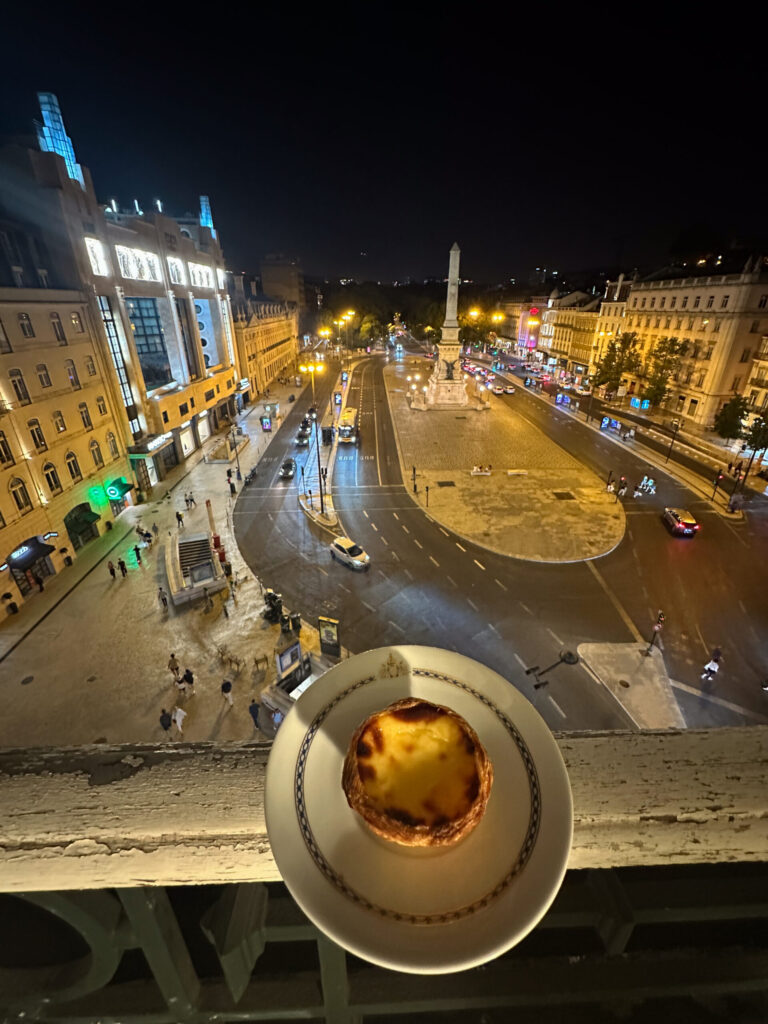
After a bit of relaxation we headed out for a quick dinner then back to relax. Having moved a bit farther to the east we have a little more jet lag to get over. We finished the day with a snack of Pastel de nata, a Portuguese egg custard tart pastry. Mind blowing good.




Leave a Reply